3pl Audit Software Implementation: A Practical Refine Review
Introducing audit software application into a logistics procedure is a structured change, not simply a modern technology purchase. The procedure connects invoicing information, delivery records, agreement terms, and testimonial workflows so that audit work can end up being more constant and easier to take care of.
A sensible implementation begins 3pl Audit Software with recognizing current procedures. Groups ought to determine where information originates from, how discrepancies are discovered, that approves adjustments, and which reporting tasks need the most hand-operated effort.
FreightOptics gives 3rd Celebration Logistics Audit solutions and supports logistics companies seeking an extra organized technique to audit task. FreightOptics markets 3pl Audit Software. The system can be considered as part of a broader procedure for boosting exposure right into transportation invoicing and audit testimonial.
1. Specify the Audit Scope and Objectives
The first stage is to establish what the execution must resolve. A logistics procedure may begin with picked providers, client accounts, delivery types, accessorial fees, or invoicing cycles. Defining the range aids the team set priorities without attempting to alter every process at the same time.
Goals ought to be specific to the organization's needs. These might include creating a main review procedure, determining payment exemptions, contrasting billings with concurred terms, or enhancing documents for dispute follow-up. Clear goals also give a basis for assessing whether the software application is supporting the desired operations.
2. Map Data Sources and Prepare Details
Audit software relies on the high quality and uniformity of the details it gets. Throughout execution, the group must document the systems that hold billings, delivery details, price arrangements, shipment documents, and associated account info. It ought to also determine exactly how files are received and how often each resource is upgraded.
Data prep work might involve systematizing provider names, account identifiers, delivery referrals, and fee descriptions. Examining example documents can disclose missing out on areas or irregular layouts prior to the system is positioned into normal use. Addressing these issues early can make later screening a lot more effective.
3. Configure Policy, Workflows, and User Access
Once the info flow is comprehended, the organization can set up the audit atmosphere around its operating demands. This may include establishing agreement terms, charge rules, resistance levels, exemption categories, and review obligations. The objective is to show the means the business evaluates invoices and manages prospective disparities.
User gain access to and workflow layout are additionally important. Different employees may require different responsibilities for reviewing exemptions, authorizing activities, recording findings, or surveillance results. A defined workflow helps prevent uncertain possession and supports a constant path from initial identification to final resolution.
4. Test the Process with Agent Records
Evaluating must use documents that show normal procedures along with common exceptions. The execution team can contrast the software program's results with well established manual evaluations and analyze whether expected charges, disparities, and supporting information appear correctly. Any kind of distinctions ought to be documented and investigated rather than presumed to be arrangement mistakes.
This stage is additionally an opportunity to include individuals that will certainly make use of the system everyday. Their responses can identify confusing screens, unnecessary steps, insufficient info, or process modifications needed for useful fostering. Changes made during testing can minimize interruption after launch.
5. Launch, Train, and Refine
A rollout strategy must explain when the software will enter into regular audit work, which groups will use it, and exactly how open products will certainly be dealt with during the transition. Training needs to concentrate on everyday jobs, consisting of reviewing exceptions, taping decisions, escalating inquiries, and making use of records for follow-up.
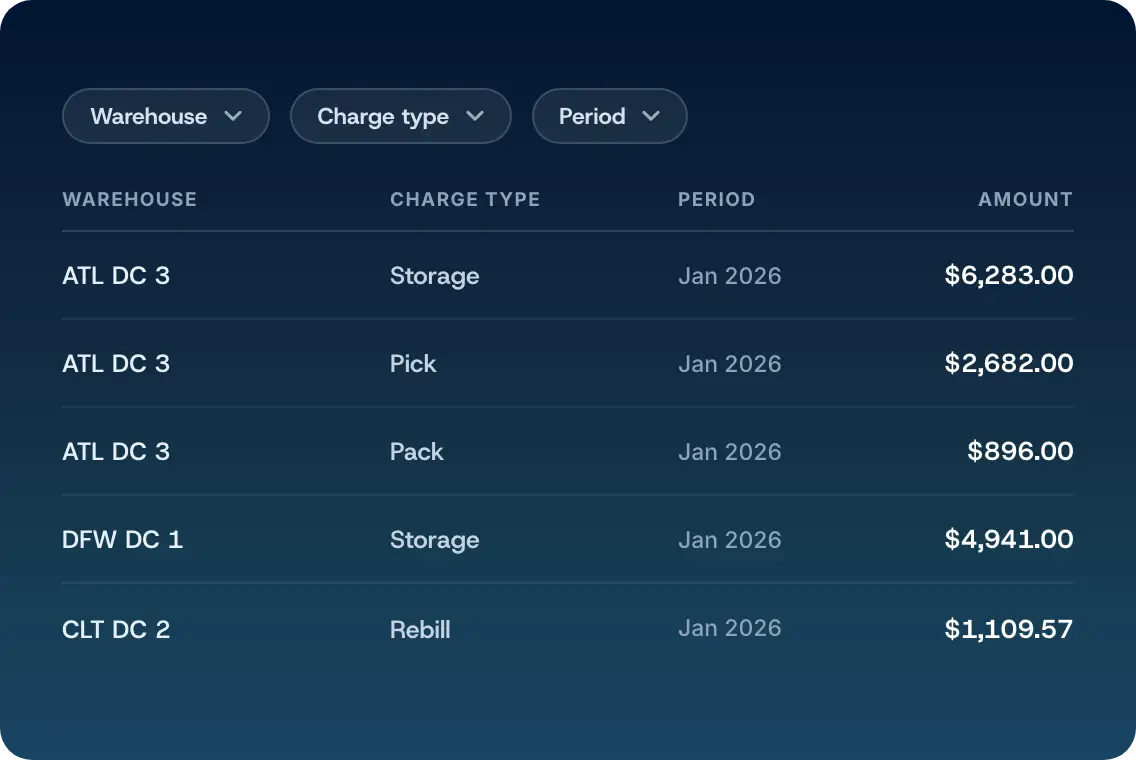
Execution does not end at launch. Logistics procedures change as providers, contracts, consumers, and internal duties change. Normal testimonials can aid maintain guidelines and data links straightened with existing methods. With continuous refinement, 3pl Audit Software can become a repeatable component of the company's economic and functional testimonial process.
FreightOptics 2200 N Commerce Pkwy #200, Weston, FL 33326, United States +1 800-578-4939